For caretakers of sick, disabled, dependent people the most unavailable and precious gift is time. Personal, private time. Having u...


 of your tax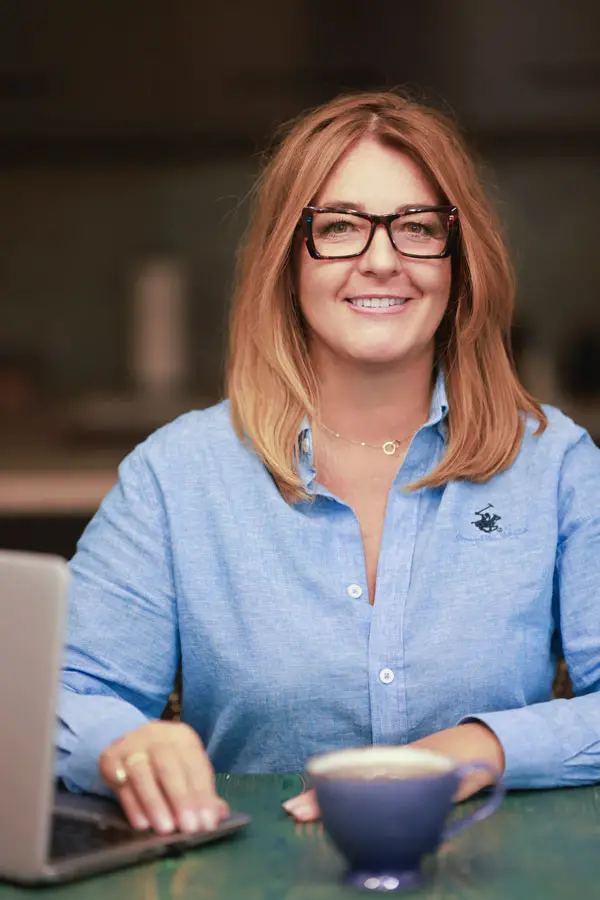
Caretakers of dependent people – curt, official term. But behind it, there’s an extraordinary group which we still not enough talk and listen about. These are the people who make a huge effort of taking care of family members who can’t live independently and need a constant help. 24/7, for many years.
Caretakers – they live in the shadows. In their own homes, they fight every day. When the disease comes to the family, they immediately forget about who they are, about plans, dreams, hobbies. They become invisible. They are fading.
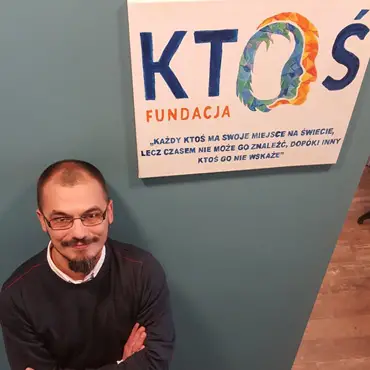
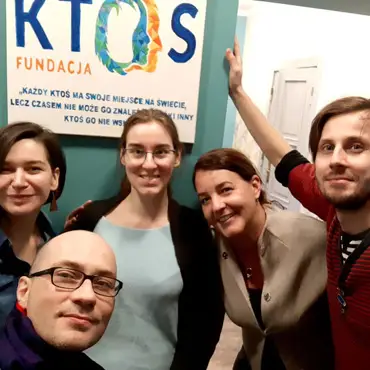
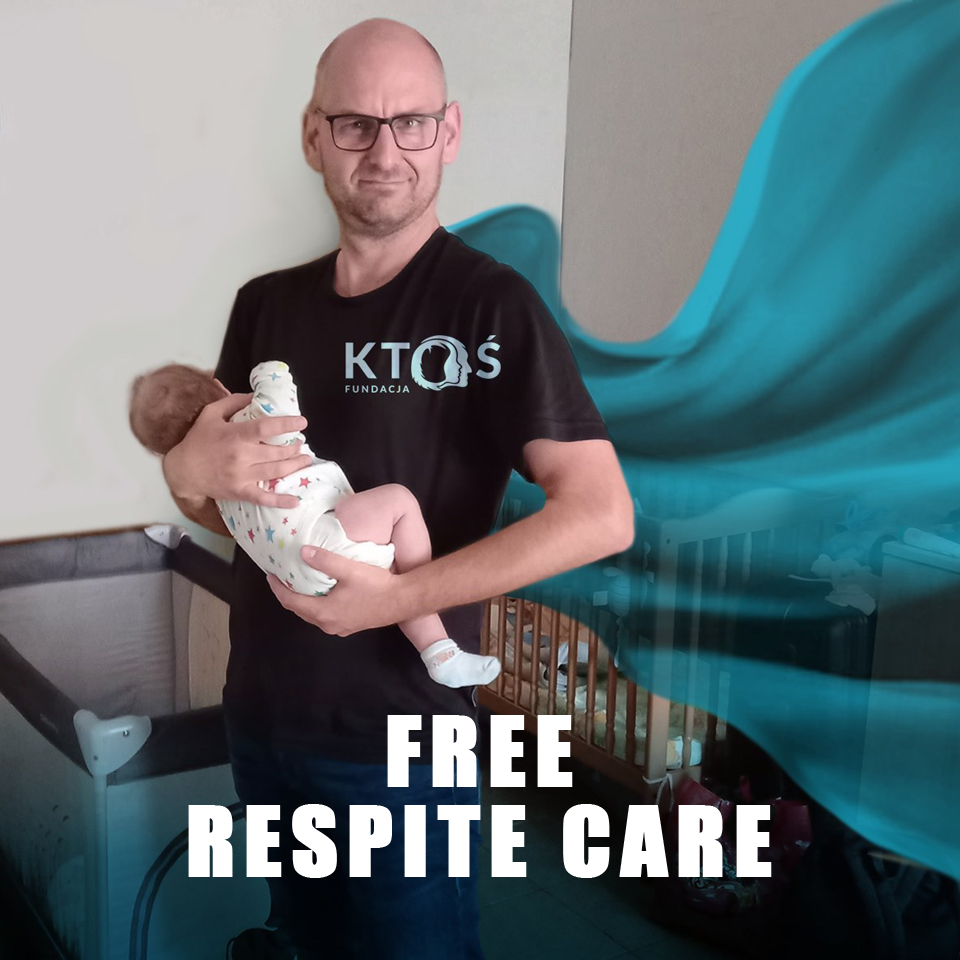
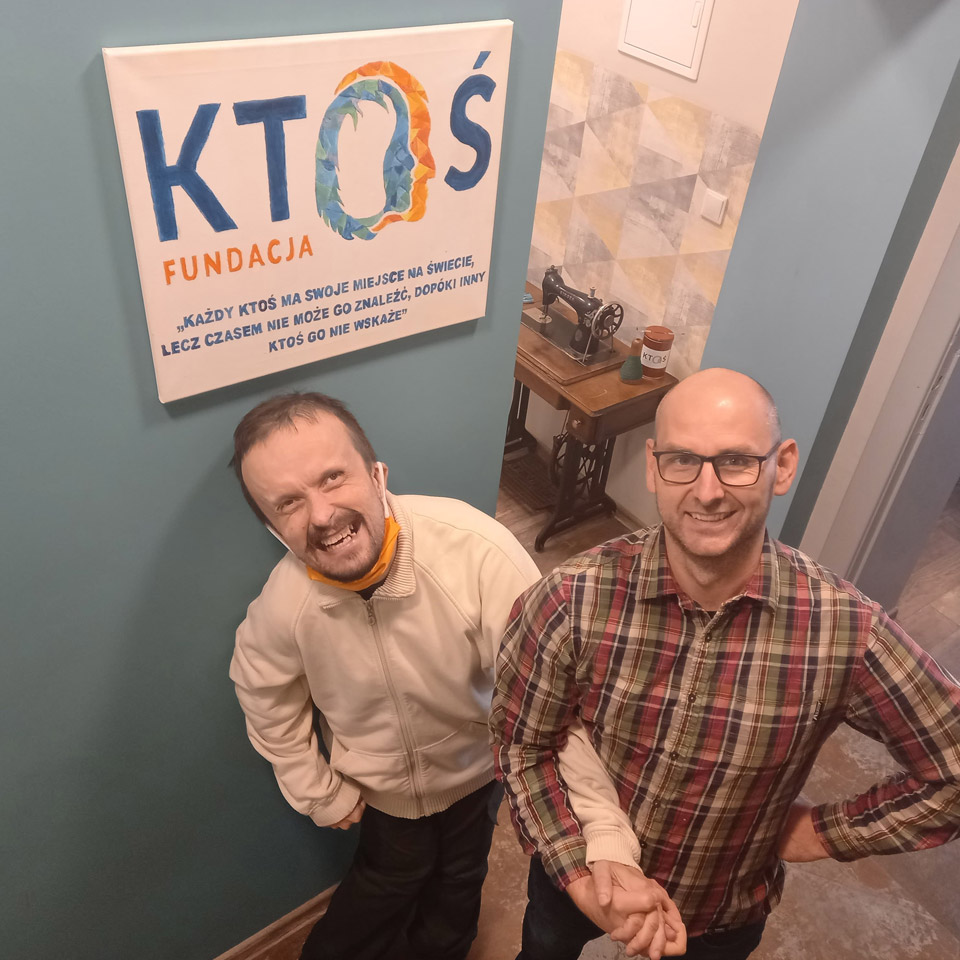
In our foundation – KTOŚ – Eng. “Someone”, we support the caregivers who can no longer care about themselves. We help with everyday duties, we enable them going out and take a breath, find a job. We provide the support from psychologists and therapists. We look after them, giving the concern they lack. We show how important and worth of concern they are and that me-time and space for their own psychological balance isn’t luxury, but necessity. Giving requires taking care of giver first. Because rescuer cannot rescue anybody if he loses all the power.
Magdalena Kijańska - Fundator i Prezes Fundacji KTOŚ

Respite – what does it mean?
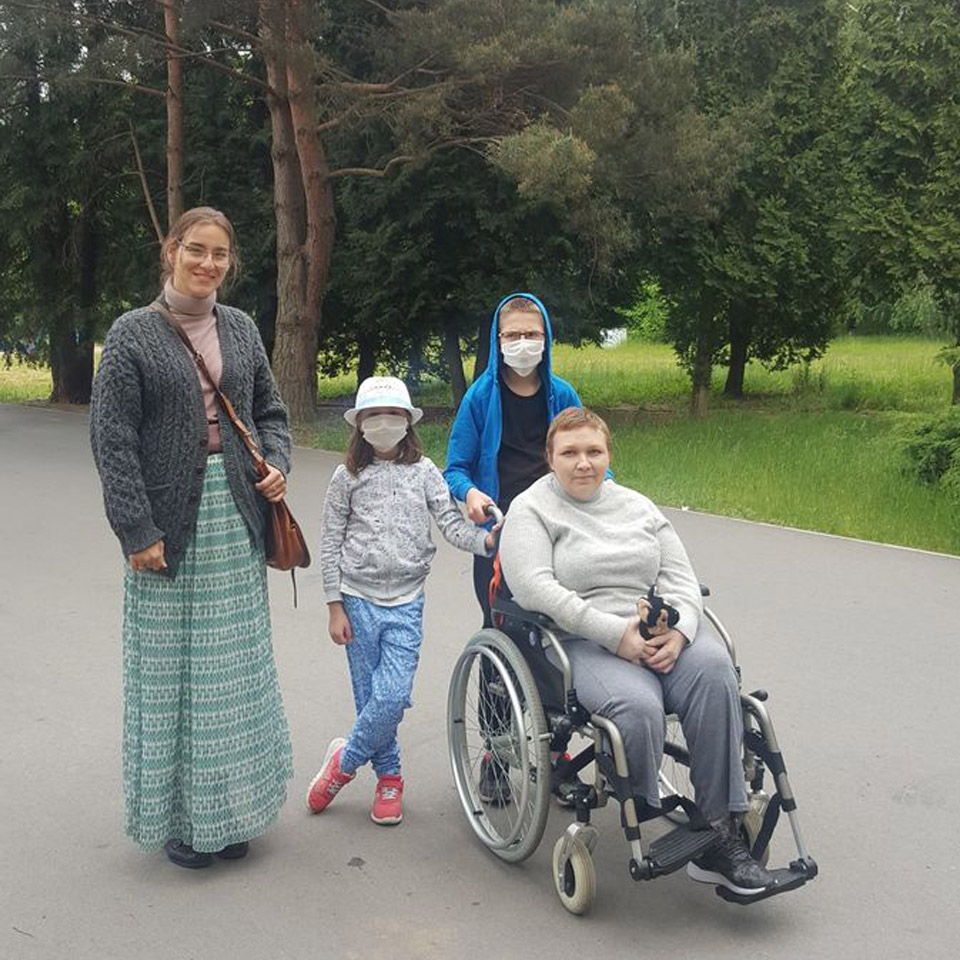
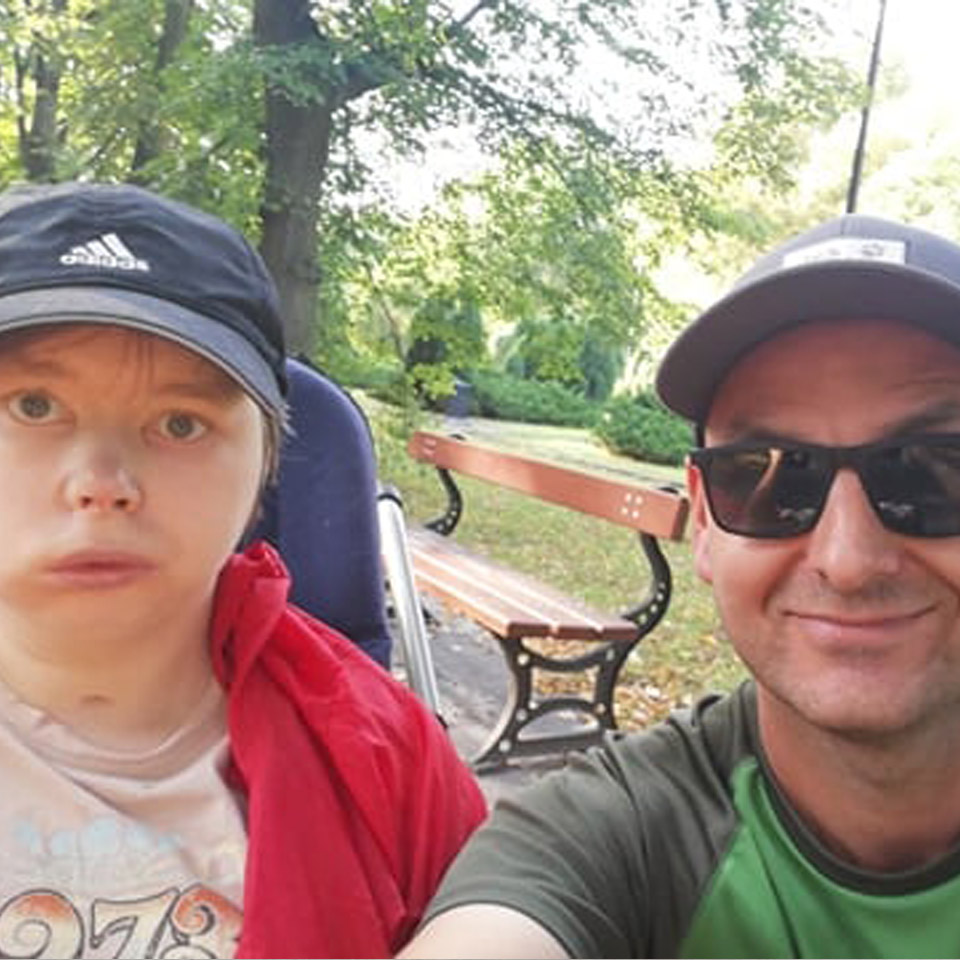
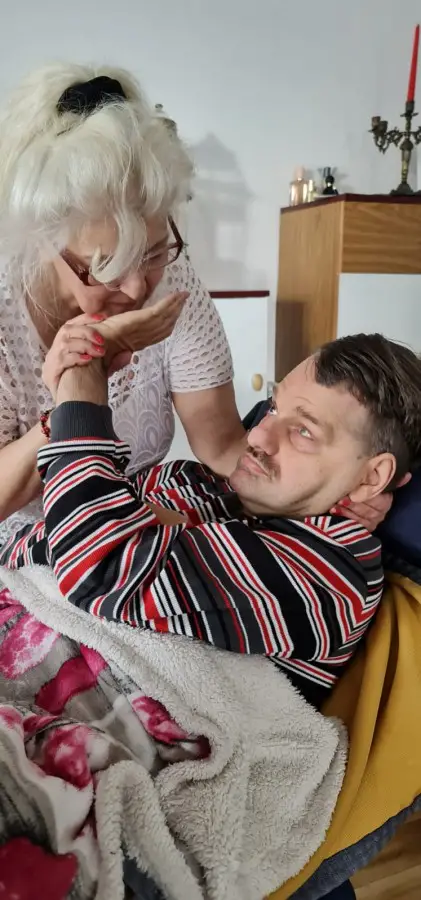
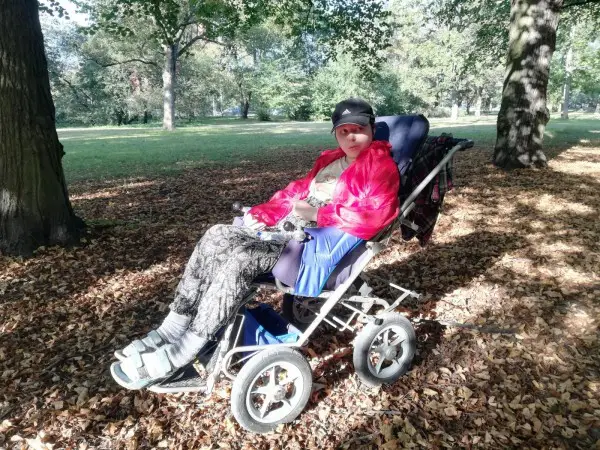
Miss Maria is 68 and has less and less strength. Despite her own afflictions she takes care of her forty-year-old disabled son. It’s a hard work. Sebastian was born with cerebral palsy. He is very energetic and curious about the world. At the same time he has motion problems and needs help in many everyday activities. Maria is extremely exhausted. Sometimes she needs to stop being a mother of disabled child and have some rest in silence.
Paweł is 33. He suffers from loss of memory. He doesn’t remember who he is and what did he eat for breakfast. He has a hard form of epilepsy .The seizure may occur any minute. He needs round-the-clock attendance. His parents would like to go somewhere sometimes, alone, but fear for their son is stronger. They need somebody trustworthy to help them.
Miss Agnieszka lives with her 35-year-old sister who suffers from infantile cerebral palsy. Additionally, she raises her 13-year-old son on her own. The boy has and Asperger’s syndrome. Lately her mother and grandmother have died and she is left all alone with all duties. She feels the reality is getting harder and harder. In such situations we send psychologist and health carer to immediately render psychologist and health carer and give some time for necessary rest.
This is the respite. It takes different forms but it has one common denominator: the awareness that there is someone they can always count on. Because sometimes in life are the burdens people can carry only collectively. That’s why we are here.
595.00 zł
5105 zł
507.00 zł
5493 zł